Delays and access issues for gardeners Pimlico flats and mews
Posted on 11/11/2026

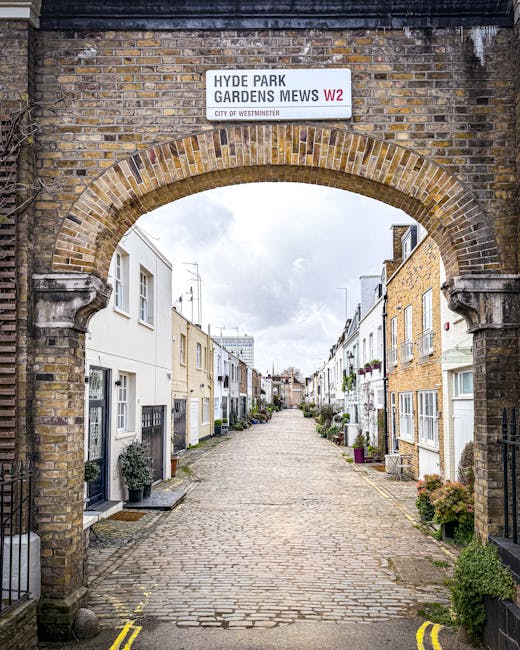
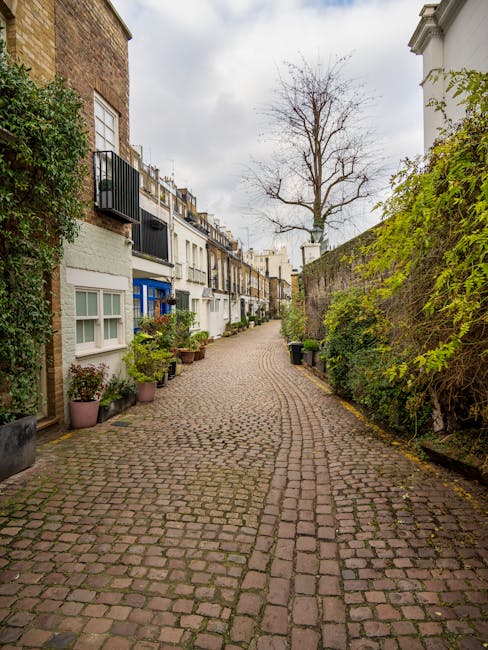
If you live in a Pimlico flat or mews property, you already know the gardening job is rarely as simple as turning up with a mower and getting straight on with it. Delays and access issues for gardeners Pimlico flats and mews can happen for all sorts of everyday reasons: locked gates, narrow mews roads, no lift, parking headaches, neighbours working from home, or a shared courtyard that is technically available but not quite ready when the team arrives. It sounds minor. It usually isn't. A small access snag can ripple through the whole visit.
This guide explains what those delays actually look like, why they matter, and how to prevent them without turning the whole thing into a drama. You'll also find a practical step-by-step process, a comparison table, a real-world example, and a checklist you can use before the next booking. If you've ever wondered why one garden visit runs like clockwork and another gets delayed by ten minutes, then twenty, then suddenly the whole afternoon feels off, you're in the right place.
In short: the smoother the access, the better the result. Simple enough, but in central London, simple takes a bit of planning.
Why Delays and access issues for gardeners Pimlico flats and mews Matters
Access is not just a logistics problem. It affects the quality of the work, the time needed on site, and how calm the whole visit feels. In Pimlico, many homes sit behind communal entrances, within small courtyards, or along mews lanes where space is tight and everything depends on timing. If the gardener cannot reach the work area cleanly and safely, even straightforward tasks like hedge trimming or patio cleaning can become slower than expected.
Let's face it: a gardener can only do so much if the wheelie bins block the path, the side gate is jammed, or the key code was changed and nobody remembered to tell anyone. That delay can push back other appointments, reduce working time in the garden, and create unnecessary friction for the resident or managing agent. It may also affect noise windows, neighbour goodwill, and whether bulky equipment can be carried in without risk.
For flats and mews properties, the issue is usually less about the gardening itself and more about the journey from street to garden. A few extra metres, a staircase, a shared hallway, or an awkward entry point can matter a lot when tools, cuttings, and waste bags are involved. If the site is not set up for easy access, the job can still be done, of course, but it often takes better coordination and a bit more patience.
That is why access planning matters so much. It protects schedules, reduces stress, and helps the work feel tidy and professional rather than rushed. And when the garden is in a tight urban setting, professional-looking outcomes usually depend on all those small things being handled well.
Expert summary: In Pimlico flats and mews homes, access planning is part of the job, not an afterthought. Good entry arrangements save time, reduce disruption, and make the finished garden look better because the team can focus on the actual work instead of chasing keys or squeezing past obstacles.
How Delays and access issues for gardeners Pimlico flats and mews Works
In practical terms, this topic comes down to three stages: before the visit, arrival on site, and moving through the property. If any one of those stages breaks down, the job can stall. The process is not complicated, but it does need clear communication.
Before the visit
This is where most problems can be prevented. A property manager, resident, or booking contact should share the access details early: gate codes, key collection arrangements, parking restrictions, concierge instructions, lift availability, and whether equipment can be stored briefly on site. If the property is a mews home with shared access, it also helps to know if neighbours need to be informed.
On arrival
Arrival is where the plan meets reality. A gate that was supposed to be open may be shut. A coded entrance may have a temporary fault. A delivery van may have blocked the mews. Sometimes there's no issue at all, but the team still has to wait for a resident to come down and open up. In a busy part of London, ten minutes can disappear very quickly.
Once inside
Even when the team gets in, the property itself can create delay. Think narrow stairwells, delicate flooring, shared hallways, or garden doors that open onto compact courtyards with little turning room. Gardeners may need to make several trips to move tools carefully, which is slower than working from a ground-floor side access. To be fair, that is just the nature of flats and mews properties; they were not designed with leaf blowers and compost sacks in mind.
Good contractors will adjust their method. They may bring smaller equipment, split the work into stages, or schedule tasks that suit the access constraints. For example, light pruning and container maintenance are easier to manage through a shared corridor than a full-scale clearance with bulky waste removal. When the access plan is clear, the visit tends to feel much calmer and more efficient.
There is also a simple human side to this. If someone is waiting at the gate while the gardener is stuck calling the office for a code, everyone gets a little tense. Nobody enjoys that. A good access setup removes that awkwardness before it starts.
Key Benefits and Practical Advantages
Sorting access properly does more than save time. It improves the entire service experience, and in compact Pimlico homes that can make a big difference.
- Fewer missed minutes: The team starts sooner and spends more time on the actual garden.
- Less neighbour disruption: Well-timed entry avoids unnecessary noise or repeated ringing at doors.
- Cleaner working methods: Tools and waste are moved safely instead of awkwardly squeezed through tight spaces.
- Better garden outcomes: A gardener who is not constantly working around access problems can focus on detail.
- Lower stress for residents: You are not fielding repeated calls, texts, or last-minute changes.
- More accurate quotes and scheduling: Clear access details make it easier to estimate how long the work will take.
Another benefit is consistency. If your building has repeat visits, a good access process means each one becomes easier than the last. The gardener remembers the layout, knows where to park, and understands which gate opens which way. That familiarity matters more than people think. It turns the job into a routine rather than a puzzle.
This is especially helpful for recurring services like garden maintenance in Pimlico, lawn care, or seasonal tidy-ups. Once the access pattern is established, the property becomes much more manageable for everyone involved.
Who This Is For and When It Makes Sense
This advice is most useful for anyone managing or living in a property where access is not obvious. That includes residents in upper-floor flats, mansion blocks, courtyard homes, converted buildings, and traditional mews houses. It is also relevant for landlords, letting agents, concierge teams, and property managers who arrange work on behalf of occupants.
It makes particular sense if:
- the garden is behind a shared entrance or locked gate
- the property has no direct street access
- large tools or waste bags need to pass through communal spaces
- the gardener must avoid certain hours because of noise or residents working from home
- parking or loading near the property is difficult
- the same site needs regular visits throughout the year
If your outdoor space is tiny, elevated, or part of a private courtyard, the access plan becomes even more important. A compact site can still need a surprising amount of movement: pots, soil, cuttings, ladders, hedge trimmers, sweep-up gear, and waste removal. Not glamorous, perhaps, but very real.
There's also a timing angle. If you are arranging work before an event, a tenancy handover, or a holiday period, delays become more noticeable. A one-hour slip may not sound serious, yet it can compress the whole day. That is why access planning is worth doing even for jobs that seem minor at first glance.
For people who want a neat and low-fuss result, a service such as gardening services in Pimlico can be arranged around those access realities rather than fighting them. That is the point, really.
Step-by-Step Guidance
If you want to reduce delays, use a simple repeatable process. Nothing fancy. Just clear, practical steps.
- Confirm the property type. Is it a flat, mews house, courtyard garden, or shared block? The layout affects access, parking, and waste handling.
- Share every entry detail. Include codes, keys, fobs, concierge instructions, and which door the team should use. Small details save time.
- Check the best arrival window. Some buildings are easier to access early morning, while others work better after deliveries or school runs have passed.
- Ask about parking or stopping space. In central London, even a brief loading stop can be tricky, so a realistic plan matters.
- Identify bottlenecks. Narrow stairs, long hallways, or multiple locked points should be flagged in advance.
- Prepare the route inside. Move bikes, bins, fragile items, and garden furniture that might obstruct safe movement.
- Confirm waste handling. Decide where cuttings will be stacked and how they will leave the property.
- Leave a backup contact. If one number fails, another should be reachable. Trust me, that saves headaches.
- Review after the first visit. If something slowed the team down, adjust the setup next time.
A useful habit is to think of access as part of the schedule, not a separate admin task. If you plan the route before the tools arrive, you will usually get a smoother result. If not, the visit can turn into a slightly scrappy half-hour of gate-opening, corridor navigation, and apologising. Nobody wants that.
For larger jobs, you may also want to plan around supporting services. For instance, if the visit includes heavier vegetation work, a team may need to coordinate with tree surgery in Pimlico or hedge trimming so the right equipment and access arrangements are in place from the start.
Expert Tips for Better Results
The best access solutions are often the unglamorous ones. The little things. Here are the habits that consistently help.
- Send photos before the appointment. A quick picture of the gate, path, and garden door can clarify more than a long message.
- Label the access point clearly. If there are two similar entrances, say which one is correct. It sounds obvious, but it gets missed.
- Keep walkways clear on the day. Prams, recycling, and folded furniture can create avoidable drag.
- Agree on arrival buffers. A five- or ten-minute flexibility window often prevents unnecessary stress.
- Use smaller, more manoeuvrable kit where suitable. This is especially helpful in compact mews gardens or upper-level spaces.
- Build a repeat booking rhythm. Regular visits are easier because access issues get noticed and solved sooner.
- Choose tasks that suit the site. On a tight day, focus on the work that is least affected by the layout.
One practical trick that works very well: keep a simple access note saved for future visits. It can say which gate sticks, where to park for unloading, whether the bell is temperamental, and how to reach the garden without upsetting the neighbours. A tiny document, really. Very boring. Very useful.
For properties aiming to reduce general maintenance pressure, combining access-friendly routines with simple low-maintenance garden ideas can help a lot, especially where staff, residents, or managers want fewer moving parts.
Common Mistakes to Avoid
Most access problems are not dramatic mistakes. They are small oversights that build into delays. The good news is that they are easy to avoid once you know what to look for.
- Assuming the gate code has not changed. It often has. Or the fob is in another flat.
- Not warning residents about the visit. Shared buildings work better when people know someone is coming.
- Leaving garden waste routing unclear. If nobody knows where cuttings should go, they end up sitting around.
- Booking too tightly. A job that seems quick may take longer in a mews or flat setting.
- Forgetting parking restrictions. This is a classic central London headache.
- Hiding the awkward parts. If access is fiddly, say so upfront. A cautious plan is better than a nice surprise that turns into a delay.
- Not protecting communal areas. Tight hallways and shared floors need care, even for light jobs.
The biggest mistake is probably treating access as an afterthought. A gardener can adapt, but they should not have to improvise every time. And in all honesty, a bit of up-front honesty makes everyone's life easier.
Tools, Resources and Recommendations
You do not need a huge toolkit to manage access properly. What you need is clear information, a tidy route, and sensible communication. Still, a few practical resources make the whole process easier.
- Site notes: A brief written summary of access points, entry codes, and parking options.
- Photo references: Useful for stairwells, side alleys, or shared courtyards that are not easy to describe.
- Calendar reminders: Helpful for arranging keys, concierge availability, or resident notices before the visit.
- Property management contact list: Handy when a lock sticks or access arrangements change at short notice.
- Service history notes: A record of what worked well on previous visits, including any recurring bottlenecks.
For the gardening side of the job, it also helps to think about the style of work best suited to a tight-access property. Compact pruning, container care, and tidy seasonal maintenance often fit these settings better than heavy, disruptive work. If you are considering more visual or structural changes, services like landscaping in Pimlico or decking services may need careful staging so access remains manageable throughout the project.
You can also reduce future friction by choosing planting styles that suit the site. For instance, vertical garden ideas for small spaces can be a smart fit where ground movement is limited. Likewise, container gardening is often far easier to maintain in a flat or mews setting than a broad border that needs heavier access every week.
Law, Compliance, Standards, or Best Practice
When access involves flats, shared hallways, communal gardens, or managed buildings, the practical side of compliance matters. While exact arrangements vary by property and management agreement, the general principle is straightforward: work safely, avoid unnecessary disruption, and respect communal spaces.
That usually means:
- keeping routes clear and not blocking fire exits or shared access points
- moving equipment carefully through common areas
- following site-specific access instructions from residents or building managers
- handling waste and debris in a tidy, controlled way
- observing sensible noise awareness in shared environments
Professional gardeners will typically work to the property's own access rules as well as their wider health and safety duties. If a site has special instructions, those instructions should be treated seriously. That is less about bureaucracy and more about respecting the building and the people in it.
It can also help to review the business policies that support a safe and reliable service. For example, health and safety policy, insurance and safety, and terms and conditions provide a clearer picture of how work is expected to be carried out. If privacy matters in shared buildings, privacy policy and accessibility statement may also be useful for setting expectations around communication and site access.
For customers who care about trust and payment handling, it is sensible to review payment and security, pricing and quotes, and, where relevant, the company's about us page. None of that solves a jammed gate by itself, but it does show you are dealing with a professional setup, not a casual one.
Options, Methods, or Comparison Table
Different properties need different access approaches. Here is a simple comparison that may help you decide what fits best.
| Access method | Best for | Advantages | Limitations |
|---|---|---|---|
| Resident present on arrival | Small flats, one-off jobs | Fast entry, fewer misunderstandings | Depends on someone being available |
| Key or fob handover | Repeat visits, managed blocks | Reliable once arranged | Needs clear responsibility and storage |
| Concierge or building manager access | Apartment buildings, higher security sites | Structured and tidy | Can be limited by staff hours |
| Scheduled gate opening window | Mews properties, shared courtyards | Works well for coordinated jobs | Less flexible if timing slips |
| Photo-based instructions and contact backup | Tricky layouts, first-time visits | Reduces confusion before arrival | Not enough on its own for secure sites |
In many cases, the best option is a mix rather than just one method. For example, a gardener may receive a fob, a backup contact number, and a short note about where to unload. That little trio often solves most delays before they start.
Case Study or Real-World Example
Here's a realistic example from the sort of job people in Pimlico often ask for. A resident in a second-floor flat wanted regular front courtyard maintenance and light hedge care in a shared mews setting. The garden itself was not large, but the access was awkward: one gate, one narrow passage, and a stairwell with barely enough room for bigger tools.
On the first visit, the team lost time because the access code had not been updated after a building manager change. Nothing dramatic, just a classic central London snag. Once the issue was identified, the resident and contractor set up a simple process: the code was confirmed the evening before, the best arrival slot was chosen outside a school-run window, and tools were kept compact rather than bulky. The next visit ran more smoothly. Cuttings were cleared without blocking the passage, and the work finished on time.
The important part is not that everything was perfect after that. It wasn't. A neighbour still needed to move a bicycle once, and there was a brief wait for the gate to be held open. But the difference was that nobody was surprised by it. That is usually the real win in shared-access gardening: fewer surprises, more control.
Over time, the resident also adjusted the planting style, adding more contained features and fewer access-heavy tasks. It became easier to maintain, easier to schedule, and less stressful for everyone. Small change, big payoff. Funny how that works.
Practical Checklist
Use this before the next visit if you want fewer delays and less back-and-forth.
- Confirm the exact property type: flat, mews house, courtyard, or block
- Share all entry details: code, key, fob, concierge, or gate contact
- Check whether parking or loading is allowed nearby
- Tell the gardener about stairs, lifts, tight hallways, or narrow paths
- Move bins, bikes, prams, and fragile items out of the route
- Agree the best time window for access and work
- Confirm where garden waste should be left or collected
- Provide a backup phone number in case the first contact is unavailable
- Notify neighbours or building management if the job may cause noise
- Review any access issues after the visit and update the notes
If you can tick those off, you are already ahead of most people. Not a bad place to be.
Conclusion
Delays and access issues for gardeners Pimlico flats and mews are not a small side topic. They are part of the service itself. In compact London properties, access determines how smoothly the work begins, how safely it happens, and how polished the result feels at the end. A good gardener will adapt, but the best results always come from clear planning on both sides.
If you take one thing from this article, let it be this: the more clearly you handle access, the easier everything else becomes. Better timing, fewer interruptions, less neighbour friction, and a cleaner finish. It really is one of those quiet improvements that pays off every single visit.
For regular upkeep, a sensible next step is to plan the property around the work, not the other way round. That means choosing accessible maintenance routines, keeping notes on recurring issues, and making each visit a little smoother than the last. It does add up.
Get a free quote today and see how much you can save.

With his proficiency in gardening, Kenny can produce informative articles on landscaping, lawn care, and garden maintenance, helping hundreds of individuals in enjoying the garden they've longed to cultivate.