Pimlico tube gardeners for balcony and courtyard gardens
Posted on 18/10/2026
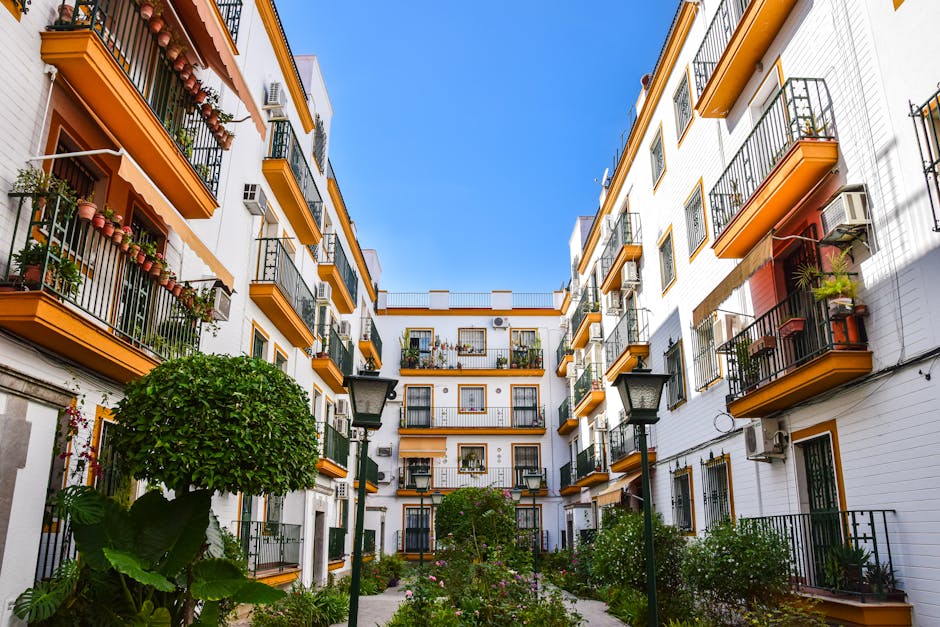
Balcony and courtyard spaces in Pimlico can be a dream, but only if they're planned properly. Tight corners, patchy light, wind tunnelling between buildings, awkward access, and containers that dry out too quickly can turn even a lovely outdoor area into a bit of a headache. That's where Pimlico tube gardeners for balcony and courtyard gardens come in: practical local gardeners who understand how to make compact London spaces look good, work hard, and stay manageable through the seasons.
If you've got a small terrace, an overlooked courtyard, or a balcony that feels more functional than beautiful, this guide walks through the real process behind better results. We'll cover what these gardeners actually do, how the service works, which plants and layouts tend to thrive, what to avoid, and how to decide whether a low-maintenance plan, a privacy screen, or a full container refresh is the smartest move. Truth be told, small-space gardening is often more about good judgement than grand gestures.
Why Pimlico tube gardeners for balcony and courtyard gardens Matters
In Pimlico, outdoor space often comes with constraints. You may have an elegant balcony above street level, a narrow courtyard behind a townhouse, or a shared space that needs to feel private without becoming cluttered. That's why specialist help matters. Balcony and courtyard gardening is not just about choosing pretty plants; it's about understanding load, light, wind, drainage, access, and maintenance in one tidy plan.
Small London gardens also need to do several jobs at once. They should look attractive from indoors, give you a place to sit with a coffee, soften hard paving, and maybe even provide herbs, scent, or year-round greenery. If you get the structure wrong, the whole space can feel cramped. If you get it right, it becomes a proper extension of the home. A little patch of calm, especially after a busy day.
That is where experienced local gardeners are useful. They can spot the issues most homeowners miss: a courtyard that stays damp, a balcony that gets blasted by wind, or a shady corner where the plant choice needs to be much more selective. For broader small-space thinking, it can help to look at vertical garden ideas for compact areas and the principles behind container gardening.
How Pimlico tube gardeners for balcony and courtyard gardens Works
A good balcony or courtyard gardening service usually starts with a practical review rather than a shopping list. The gardener looks at the space as it is, not as an idealised mood board version of it. That means checking sunlight patterns, exposure to wind, drainage, surface type, existing planters, and how much care you realistically want to give it each week.
From there, the plan is built around use. Do you want screening from neighbouring windows? A soft, leafy seating area? An herb corner near the kitchen? A more modern, minimalist feel with clean lines and structural planting? The right design depends on those answers.
In most cases, the process moves through a few clear stages:
- Assessment: Measure the space, note light and shade, and identify problems such as waterlogging, cracked pots, or insecure rail planters.
- Design: Choose a planting scheme, container layout, access route, and any support features such as trellis or privacy screens.
- Preparation: Clean surfaces, refresh compost, improve drainage, and install or reposition containers.
- Planting: Select species suited to the exposure and the desired style.
- Aftercare plan: Set watering, feeding, pruning, and seasonal swap-out routines.
It sounds simple. Sometimes it is. Sometimes it's fiddly. Balcony work especially can be a bit like solving a puzzle with one hand tied behind your back, but that is part of the job. On the upside, the limitations create sharper, more deliberate design.
If privacy is a major concern, climbers and hedging alternatives can be extremely effective, and evergreen climbers for green screening are often a smart fit for tight courtyards. For faster screening, you can also explore ideas from privacy hedge planting options.
Key Benefits and Practical Advantages
The most obvious benefit is visual. A dull balcony or courtyard can become layered, soft, and welcoming very quickly when the right planting and layout are used. But the deeper benefits are practical.
- Better use of space: Vertical structures, slim containers, and tiered planting free up walking and sitting areas.
- More privacy: Well-chosen climbers, screens, and taller container plants reduce overlooking.
- Lower maintenance: A professionally planned setup can be easier to water, trim, and keep tidy.
- Improved resilience: Containers and plant choices can be adjusted for windy or shaded conditions.
- Year-round interest: Evergreens, bark texture, winter structure, and seasonal changes keep the space from feeling dead in colder months.
There's also a comfort factor people don't always expect. A courtyard with the right planting feels quieter. A balcony with greenery and soft foliage absorbs some of the hard edges of urban life. You notice it in the morning, even before you've had your tea. The space simply feels better.
For households that want less upkeep, a design based around hardy plants and sensible materials can make a big difference. If that sounds like your situation, it's worth reading simple, low-maintenance garden ideas as a companion to this topic.
Who This Is For and When It Makes Sense
This kind of gardening is ideal for people with outdoor spaces that are small, enclosed, elevated, or awkwardly shaped. That includes flat owners with balconies, townhouse residents with paved courtyards, and anyone who wants a more refined outdoor space without a full redesign.
It makes particular sense if:
- you want your balcony to feel more like a room than a storage zone;
- your courtyard is shaded and you're unsure what will actually survive there;
- wind keeps damaging plants or drying containers out too fast;
- you need privacy from neighbours or nearby buildings;
- you'd like herbs, flowers, and structure without losing floor space;
- you have pets or children and need a safer, tidier setup;
- you've tried DIY planting and it looked fine for two weeks, then unravelled. Happens a lot.
It's also a sensible choice for landlords and property managers who want an outdoor area to look cared for without demanding endless attention. The same goes for homeowners preparing to sell or rent. A neat courtyard or balcony can change the first impression of a property more than people expect.
For ideas around planting that suits family use, you might also find pet-friendly garden planning tips and garden ideas for children useful if your household needs a flexible layout.
Step-by-Step Guidance
If you're planning a balcony or courtyard project, the best results usually come from a steady sequence rather than rushing straight to plant buying. Here's a straightforward approach.
1. Decide how the space should feel
Start with the mood and use. Do you want calm and minimal, lush and layered, wildlife-friendly, or somewhere to eat outside? This decision shapes everything else, from pot shape to plant height.
2. Map the conditions honestly
Check how many hours of sun the space gets, where water sits after rain, which corners are windy, and whether certain spots stay dry under overhangs. Courtyards can hold moisture for longer than you think, while balconies often do the opposite and dry out rapidly.
3. Work from structure outward
Place the largest items first: big planters, benches, trellis, screening, or storage. Then add medium planting and finally accents like herbs, trailing plants, and seasonal colour. This avoids that "too many pots, nowhere to walk" effect.
4. Choose plants for the site, not the fantasy
It's tempting to choose a plant because it looked beautiful in a showroom or garden centre. But the right question is: will it thrive in your actual light and wind conditions? Shade lovers, sun lovers, and drought-tolerant plants all behave very differently. For more on strengthening planting choices in difficult conditions, see year-round orchid care if you want a more delicate indoor-outdoor flow, or ground cover plant ideas for softer edges.
5. Install good drainage
This is one of those unglamorous bits that saves trouble later. Make sure pots have drainage holes, use crocks or mesh if needed, and avoid letting containers sit in stagnant water. In courtyard settings, drainage matters almost as much as plant choice.
6. Build a maintenance rhythm
Once planted, set a simple rhythm for watering, feeding, deadheading, and pruning. The best balcony gardens are not the most dramatic ones. They are the ones that still look decent three months later.
Expert Tips for Better Results
These are the small decisions that improve the outcome without making the project more complicated than it needs to be.
- Use depth wisely: Tall containers can hold more root space and stay moist for longer, which is useful on exposed balconies.
- Mix plant heights: A good design needs a foreground, mid-layer, and top layer. Flat planting often looks unfinished.
- Repeat materials: Stick to a narrow palette of pot colours and finishes so the space feels coherent.
- Choose multi-season plants: Combine flowers, evergreen structure, and foliage plants so the space doesn't collapse in winter.
- Prioritise access: If you can't reach the back of a planter easily, that planter becomes a chore very quickly.
- Think about watering before summer arrives: On warm days, balconies can dry out fast. Too fast, sometimes alarmingly fast.
A useful rule of thumb: if a plant needs constant fussing, it may be the wrong plant for that location. In a real Pimlico courtyard, practicality wins over perfection most days. That's not a compromise; it's a design decision.
For more detail on keeping a garden tidy and resilient through the seasons, the advice in weatherproofing your garden and taming windy garden conditions can be especially helpful.
Common Mistakes to Avoid
Most bad balcony and courtyard gardens fail for familiar reasons. The good news? They're predictable, which means they're avoidable.
- Overfilling the space: Too many pots can make a small garden feel crowded and awkward to use.
- Ignoring wind exposure: Lightweight planters and tall, floppy plants can struggle badly in open balcony positions.
- Choosing plants by appearance only: A pretty plant that hates shade will keep disappointing you.
- Using containers without drainage: This is asking for root problems.
- Forgetting winter structure: Once the summer flowers fade, the space can look bare if there's no evergreen framework.
- Making maintenance too complex: If the routine is annoying, it won't happen consistently.
There's one more mistake worth mentioning: treating the space like a tiny version of a full-size garden. It's not. It's a different kind of design with different rules. Once you accept that, everything becomes easier.
Tools, Resources and Recommendations
You do not need a van full of specialist kit for a good balcony or courtyard garden. But a few dependable tools make the job calmer and cleaner.
- Lightweight but sturdy pots and troughs
- Quality peat-free compost suited to the plants you've chosen
- Watering can or hose access solution suitable for the site
- Hand trowel, secateurs, and gloves
- Pot feet or raisers for drainage
- Plant ties, clips, or trellis fixings for climbers
- Saucer trays or water-capture mats where appropriate
For supporting inspiration, you might explore herb garden essentials if you want useful planting close to the kitchen, or garden seating design ideas if you want the space to function as a proper sitting area too.
If you're hiring help, ask practical questions before work starts. Who buys the plants? Will the gardener install supports? Is ongoing maintenance offered? What happens if access is tight, or if the balcony has weight limits? The best answer is not always the cheapest one, by the way. Sometimes it's the one that saves you from redoing the job in six months.
Law, Compliance, Standards, or Best Practice
For balcony and courtyard work, compliance is usually less about bureaucracy and more about sensible risk management. In London, access arrangements, building rules, and neighbour considerations can matter a lot. Some properties also have leasehold restrictions, balcony load guidance, or shared building rules that affect what can be installed.
A trustworthy gardener should work carefully around the following:
- Structural caution: Large planters, heavy ceramics, or added features should be considered with balcony loading in mind.
- Safe working at height: Access and maintenance should be done without risky stretching or improvised ladders.
- Water management: Avoid runoff that stains communal areas or causes slip hazards.
- Neighbour awareness: Screening should respect sightlines and not create avoidable disputes.
- Material choice: Weather-resistant materials are usually the better long-term option in exposed city spaces.
Best practice also includes using safe, appropriate equipment and maintaining a tidy work area. If you're comparing providers, it can be sensible to review pages like health and safety guidance, insurance and safety information, and terms and conditions so you know what standards the business works to. That sort of transparency matters.
And yes, a courtyard is "just a courtyard" until someone trips over a loose planter in November. Then suddenly everybody cares about the layout.
Options, Methods, or Comparison Table
Different balcony and courtyard setups call for different methods. Here's a simple comparison to help you choose the right direction.
| Approach | Best For | Strengths | Limitations |
|---|---|---|---|
| Container-only planting | Balconies and paved courtyards | Flexible, movable, easier to replace plants | Needs regular watering; can look busy if overdone |
| Vertical planting | Very small or narrow spaces | Saves floor space, adds height and privacy | Can dry quickly and needs secure fixing |
| Mixed seating and planting | Courtyards used for relaxing or dining | Balances comfort with greenery, feels complete | Requires more careful planning to avoid crowding |
| Screening-led design | Overlooked balconies and courtyards | Improves privacy and enclosure | May reduce light if overdone |
In practice, many of the best results come from blending methods. For example, a Pimlico courtyard might use two taller screening planters, one central seating area, and a line of smaller aromatic pots near the edge. That way the space looks intentional, not like a storage corner with aspirations.
If you're not sure where to begin, the route usually depends on whether your biggest challenge is privacy, colour, softness, or upkeep. For plant structure and screening, hedge trimming and shaping ideas can help you understand how clipped form affects visual balance, while weed-free garden upkeep is useful if your courtyard has open soil pockets or shared edges.
Case Study or Real-World Example
Picture a compact Pimlico courtyard behind a terraced property. It has pale paving, a high wall, a bit of shade in the morning, and one sunny patch by mid-afternoon. At first glance it feels stark. A few random pots sit near the wall, but the space is not really being used.
A good redesign would usually start by creating zones. One wall gets a slim climbing frame with an evergreen climber for year-round cover. The brightest corner gets herbs in medium pots, placed where they can actually be reached from the kitchen. The middle remains open so a small bistro table still fits comfortably. A pair of textured planting troughs near the seating zone softens the paving and stops the area feeling echoey.
The real improvement is not just the appearance. It's the way the courtyard starts to function. There's somewhere to sit. Somewhere to grow. Somewhere to look at from the back door and think, "Yes, that's better." In a busy city, that reaction is worth a lot.
If the space needs broader restoration before planting, some homeowners also combine this work with garden maintenance in Pimlico or supporting services such as patio cleaning so the new planting begins on a clean, stable base.
Practical Checklist
Before you commit to a balcony or courtyard redesign, run through this list.
- Have you measured the usable space properly?
- Do you know how much sun, shade, and wind the area gets?
- Are the containers suitable for the surface and access?
- Is drainage sorted?
- Have you chosen plants that suit the actual conditions?
- Is there enough room to walk, sit, and water comfortably?
- Do you want privacy screening, scent, colour, edible plants, or all three?
- Have you considered maintenance time in winter as well as summer?
- Are any balcony restrictions, building rules, or safety concerns relevant?
- Will the layout still look good if a few plants are temporarily out of season?
If most of your answers are uncertain, that's a sign the project needs a proper plan rather than guesswork. No shame in that. Half the value of professional help is avoiding expensive second attempts.
Conclusion
Pimlico tube gardeners for balcony and courtyard gardens are really about turning limited space into a useful, attractive part of daily life. The best results come from understanding the site, respecting the constraints, and designing for both beauty and practicality. That means the right plants, the right containers, and a layout that still works when the weather turns, the wind picks up, or you just want a quiet five minutes outside.
Whether your goal is privacy, a softer view, edible planting, or a calm place to sit in the evening, the key is simple: plan for the space you have, not the space you wish you had. Once you do that, even a modest balcony can feel genuinely special.
If you're ready to explore the next step, ask for a tailored approach that suits your light, layout, and maintenance preferences. Small outdoor spaces can be transformed beautifully when the details are handled well.
Get a free quote today and see how much you can save.

With his proficiency in gardening, Kenny can produce informative articles on landscaping, lawn care, and garden maintenance, helping hundreds of individuals in enjoying the garden they've longed to cultivate.